

.jpg?x-oss-process=image/resize,w_100/quality,q_100)
.jpg?x-oss-process=image/resize,w_100/quality,q_100)
.jpg?x-oss-process=image/resize,w_100/quality,q_100)
How a Die-Cast Aluminum Rental LED Display Supports Touring Stage Deployments
Oct 01, 2026
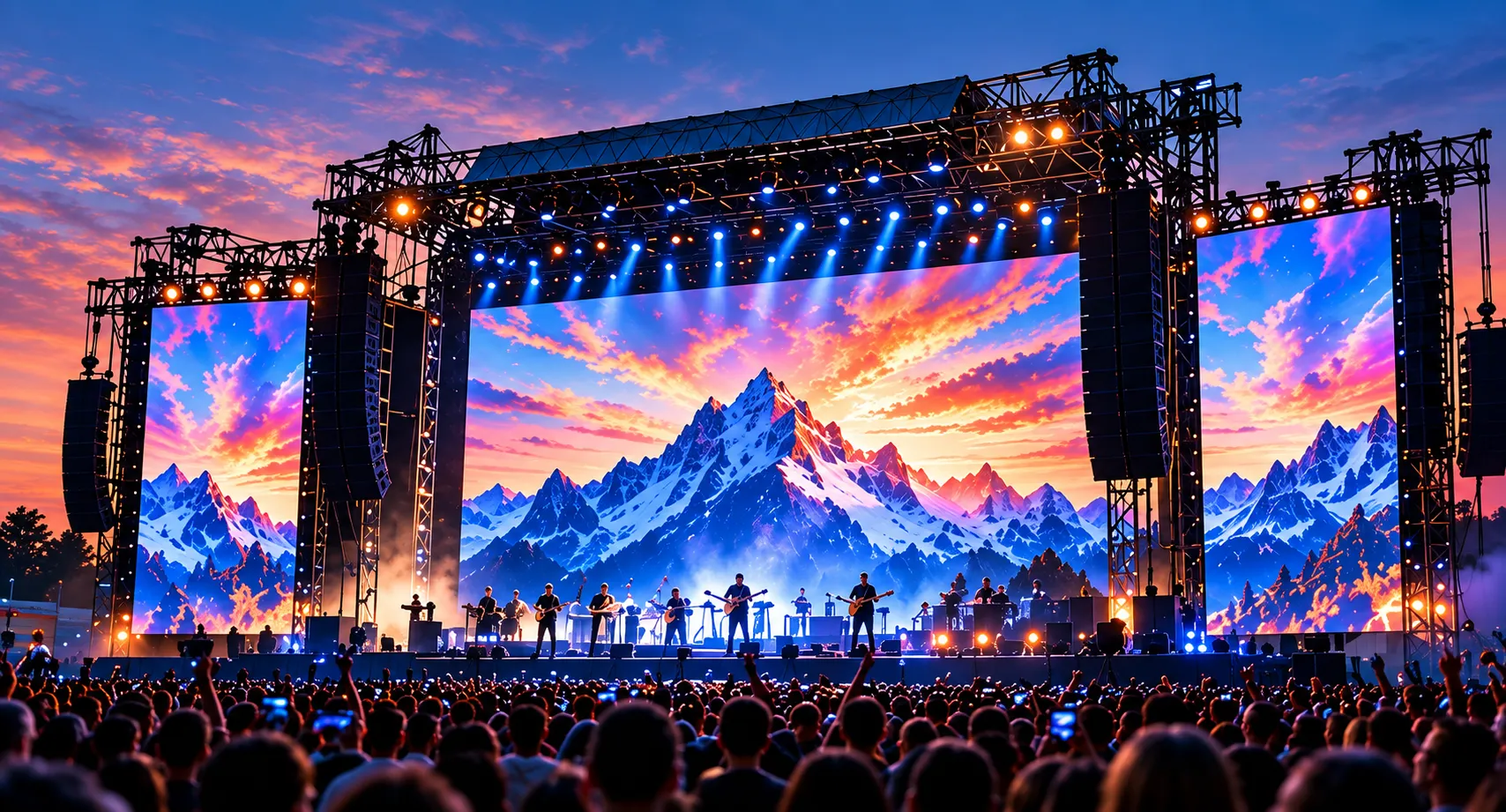
For a touring production, the LED screen has to keep pace with the stage.A large rental LED display may arrive at one venue, become part of the stage setup, support the live performance, and then be dismantled and transported to the next location. The process repeats throughout the tour. Every installation has a fixed production schedule, and the LED wall needs to be ready before the stage moves into technical preparation and rehearsal.
This was the situation behind a large touring-stage application using our Customized Rental LED Display Screen.
The Challenge: Installing a Large LED Screen Within a Tight Touring Schedule
The project required a large touring stage LED display to be integrated into a professional stage environment.
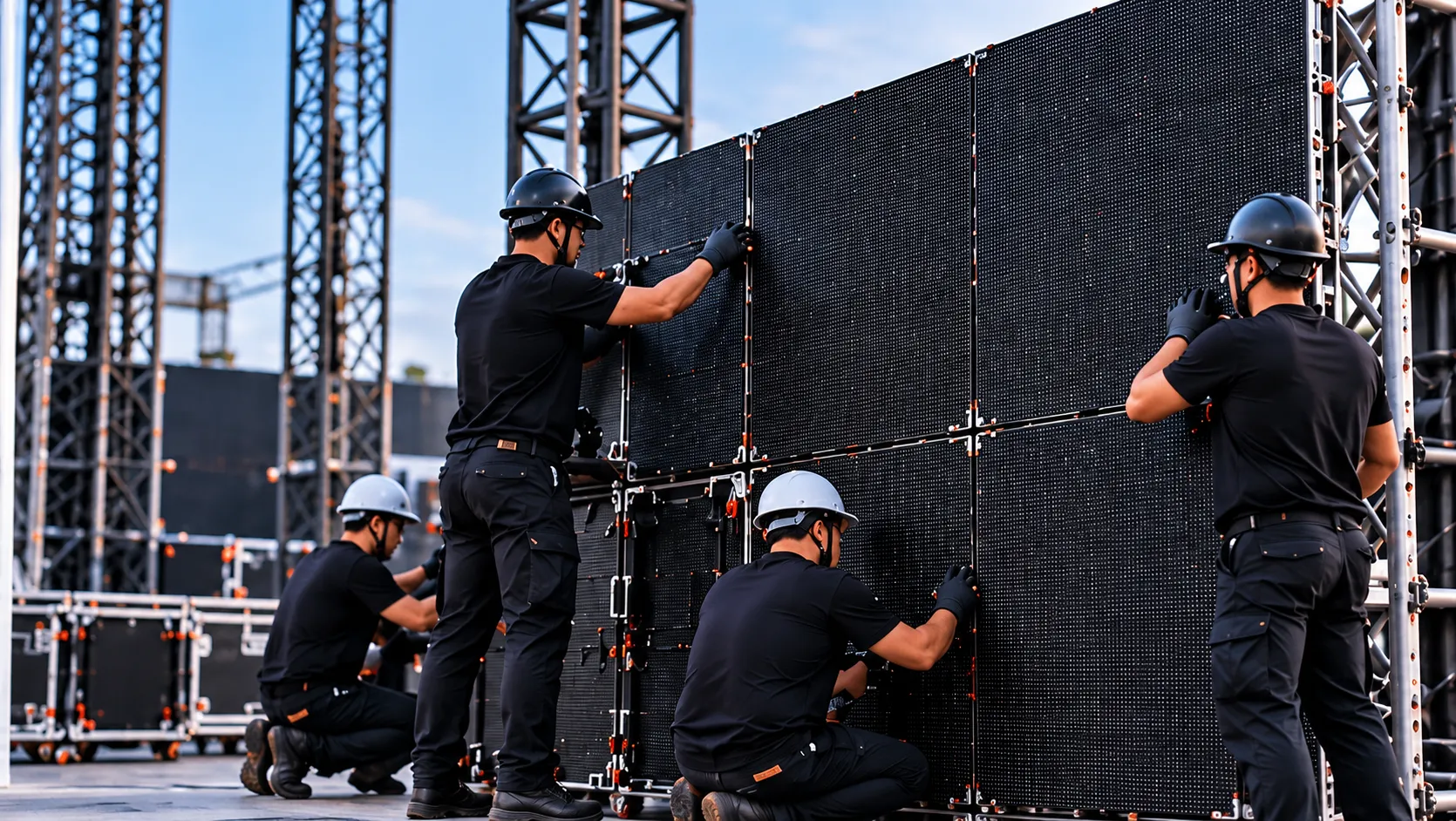
For the rental team, the installation involved a large number of cabinet connections across the screen surface. The cabinets had to be transported to the venue, positioned according to the stage design, connected accurately and prepared for operation within the available setup window.
This created a practical challenge.
Every cabinet had to sit correctly with the cabinets around it. Small differences in cabinet positioning could lead to visible gaps or uneven surfaces. Correcting these issues one by one would add work for the installation crew and consume time that the production team needed for technical preparation and rehearsal.
The screen therefore needed to support a faster and more controlled installation process. A rental LED screen for events also needs to remain practical after the first deployment because the same equipment may be used at multiple venues during a tour.
The Solution: A Die-Cast Aluminum Rental LED Display
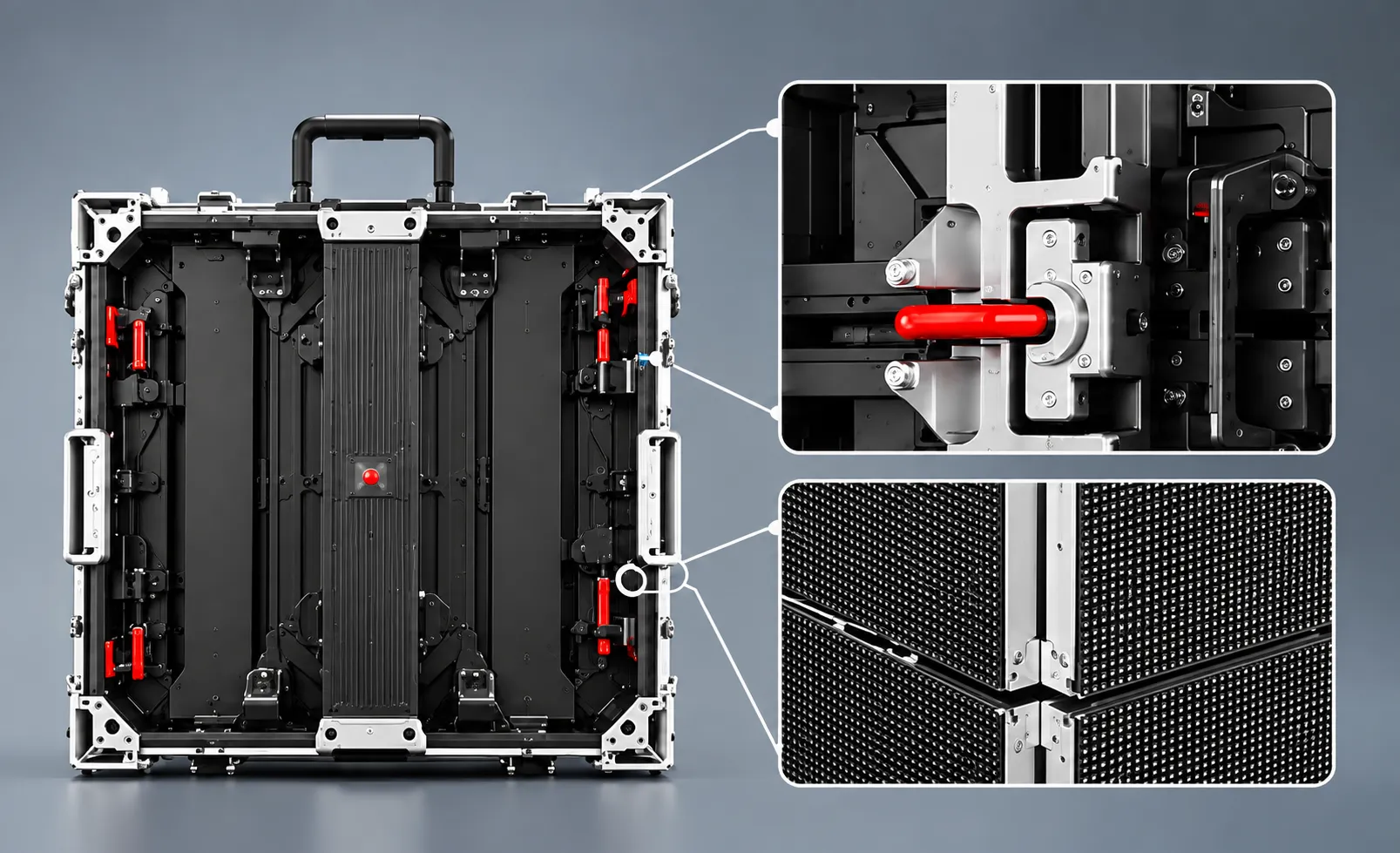
The team used a die-cast aluminum cabinet structure for the rental LED display.
The cabinet provides a rigid and consistent frame for repeated assembly. Its mechanical locking system helps technicians connect adjacent cabinets in a standardized way, while the cabinet structure provides a stable reference for maintaining alignment across the larger screen.
For a touring application, these details matter during every installation.
The team can work through the screen section by section instead of repeatedly correcting cabinet positions after the entire wall has been assembled. The installation process becomes easier to control as the screen grows.
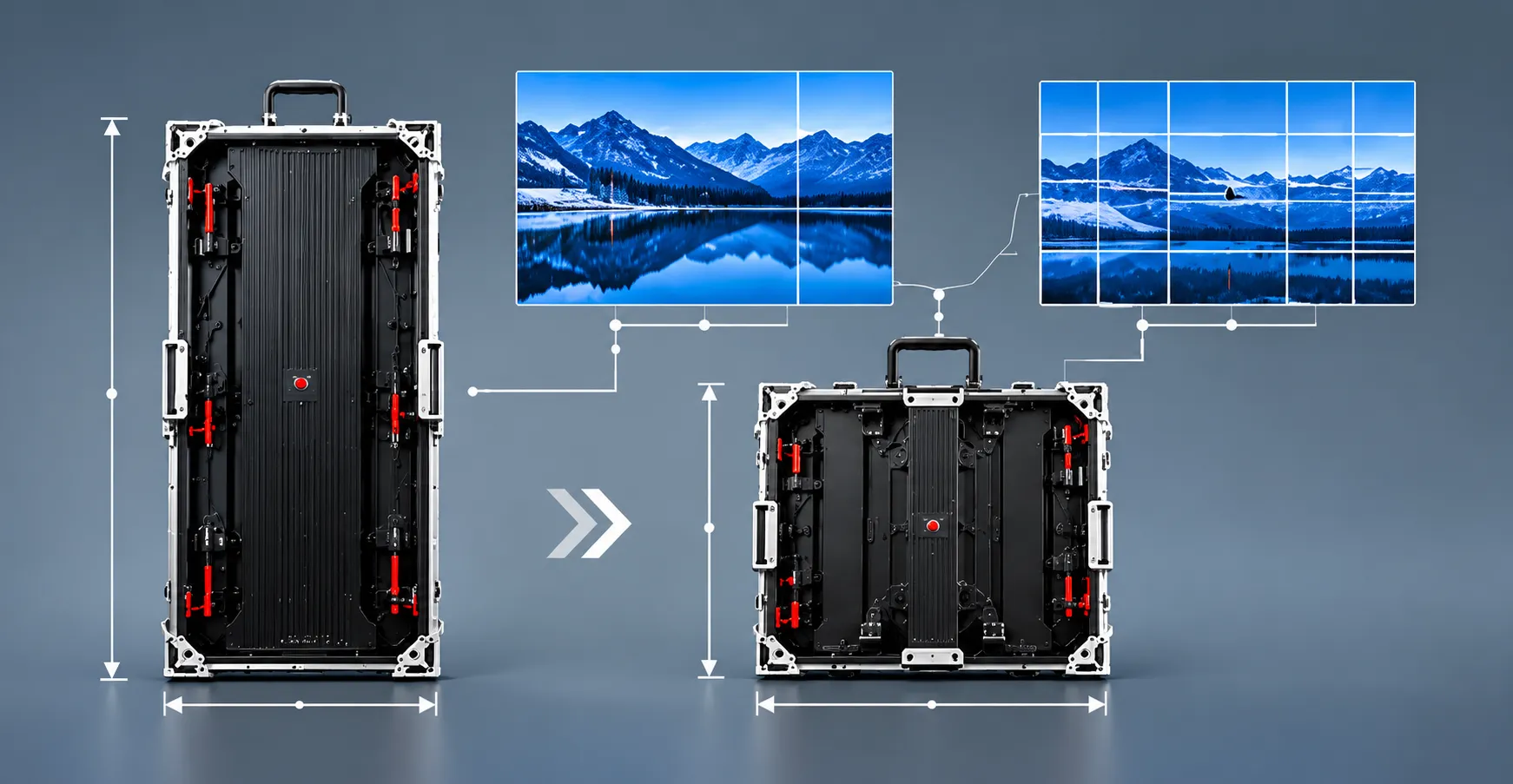
For applications that require flexible cabinet configurations, our 500x1000 rental LED screen is designed around the fast deployment requirements of professional events and rental operations. The 500×1000 mm format can cover more area with fewer panels, while its lightweight structure and locking system are designed for fast-paced rental work.
Building the LED Wall: From Cabinet Assembly to Stage Setup
Once the cabinets arrived at the venue, the rental crew began building the LED wall according to the planned stage configuration.The cabinets were positioned and locked together row by row. The precise cabinet structure helped maintain a consistent relationship between adjacent units, while the locking system simplified the mechanical connection process.This was important for the production schedule.A large rental LED video wall can become a time-consuming part of stage preparation when technicians have to repeatedly stop and correct individual cabinet positions. In this application, the cabinet system helped reduce unnecessary on-site adjustments during assembly.That gave the stage team more time to focus on the rest of the production.
Once the LED screen was assembled and ready, the production crew could move forward with technical preparation, signal testing, lighting coordination and rehearsal work. The display was ready to become part of the stage environment instead of remaining an unresolved installation task.For a touring production, this transition matters. The stage LED display supports the schedule of the entire stage operation. Reducing repeated alignment work gives the crew more usable time before the live performance begins.
From Installation to Rehearsal: Getting the LED Screen Ready for the Show
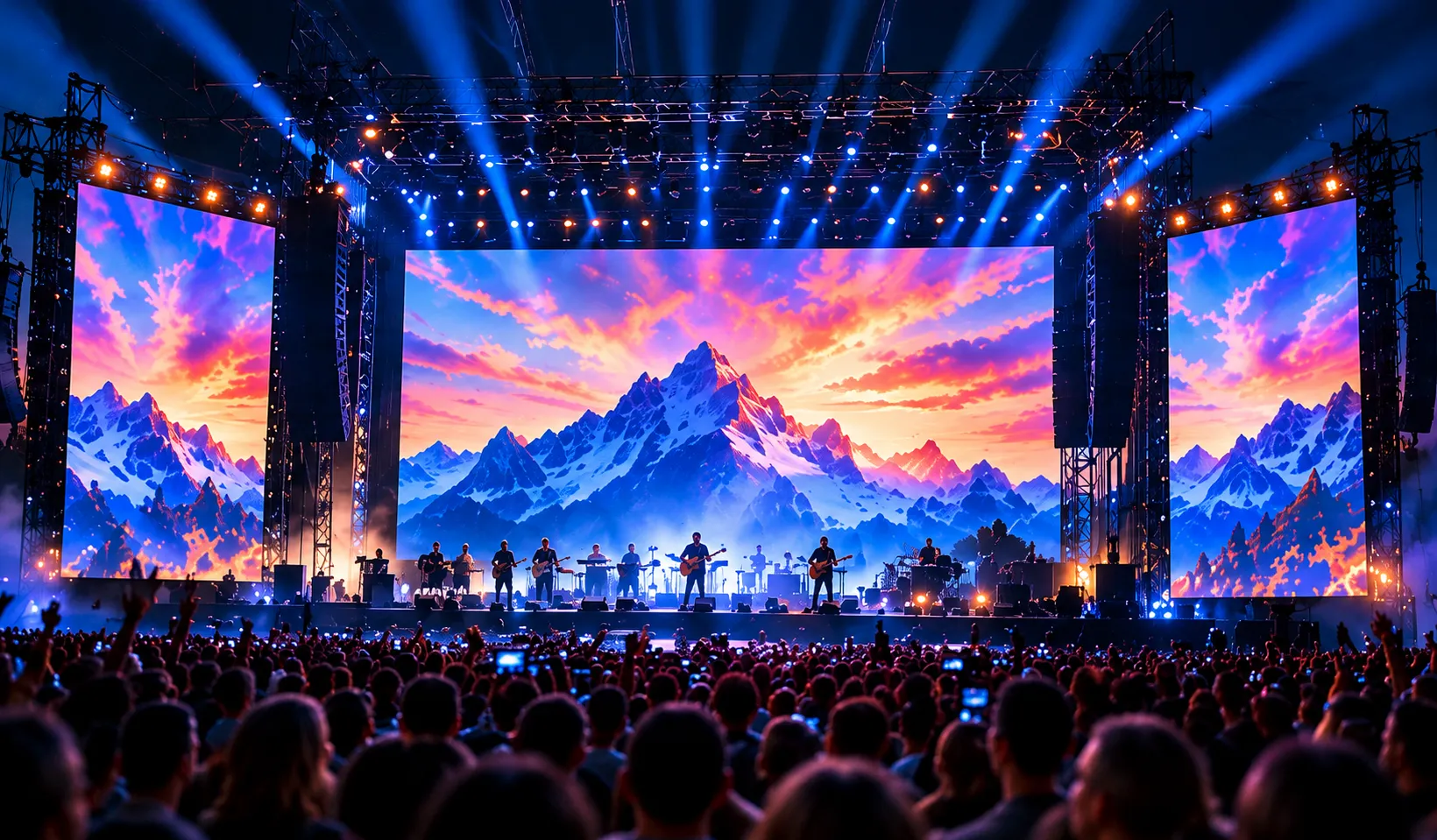
After installation, the LED wall served as the main visual surface of the stage.The display had to work alongside lighting, audio, truss structures and other stage equipment. A consistent cabinet surface helped maintain the visual continuity of the screen across the large-format installation.The result was a completed LED screen for live events that could move directly into the production workflow.
The rental team could complete the screen installation, hand the display over to the production crew, and continue with technical preparation and rehearsal. This helped protect the time available for the wider stage setup before the audience entered the venue.For a touring production, the installation stage directly affects what happens next. A display that can be assembled in a controlled way gives technicians more time to test content, coordinate the screen with lighting and confirm the final stage configuration.The LED wall therefore became part of the performance schedule from installation through showtime.
After the Show: Dismantling, Transport and the Next Deployment
When the performance finished, the rental LED screen entered the next stage of its operating cycle.The cabinets were dismantled, packed and prepared for transportation. At the next venue, the same equipment could be assembled again using the same cabinet and locking configuration.
This repeatability is particularly relevant to rental companies managing concerts, festivals and touring productions. Their equipment needs to move between locations while allowing technicians to follow a familiar installation process.Our P3.91 outdoor indoor rental LED display screen provides one example of this type of flexible rental configuration, supporting event and touring applications where fast setup, handling and repeated deployment are important considerations. The product is designed for touring shows and event applications, with a lightweight modular cabinet and locking system intended for repeated setup and teardown.
The same workflow continues from one venue to the next:
Transport → Assembly → Alignment → Technical Preparation → Performance → Dismantling → Next Deployment
The LED display becomes a repeatable part of the touring workflow.
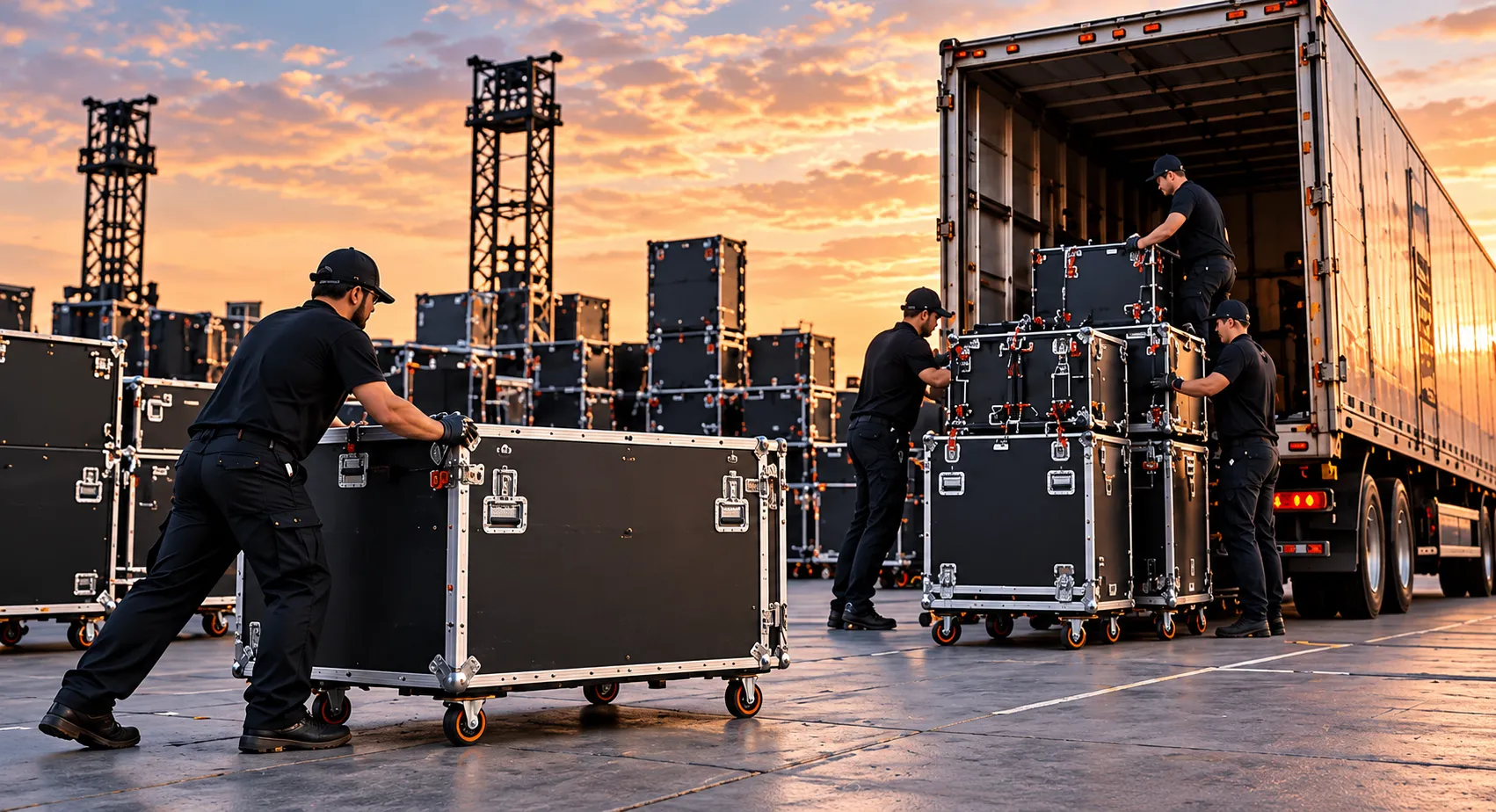
Ready for the Next Touring Deployment
A touring stage changes from venue to venue, while the production team still needs a familiar and predictable installation process.
For this application, our die-cast aluminum rental LED display provided the cabinet structure and mechanical foundation needed for repeated large-format deployment. The system supported the installation crew during assembly, reduced unnecessary alignment work on site, and allowed the finished screen to move into technical preparation and rehearsal on schedule.
For rental companies planning a touring LED display project with frequent transportation, rapid installation and repeated deployment, the same approach can be considered when evaluating cabinet structure, locking systems and screen configuration.
If your next LED rental project involves similar requirements, our team can help evaluate the appropriate cabinet configuration and display solution for your application.

Recent Posts

October 26, 2016
The Most Successful Engineering Contractor
Jul 10, 2023
Shipping
Jul 10, 2023
Training camp in September 2021
Jul 10, 2023
September 2022 PK match
Jul 10, 2023
September 2022 kick-off meeting
Jul 10, 2023
January 2023 Annual MeetingContact US
Product Information
Quantity
Unit
Piece
Support order samples, customization, wholesale direct, and complete payment. If the product you look for does not have corresponding customized content, pls fill out the form below to contact us, and we will reply ASAP.